Yard Automation Ideas That Can Make Routine Maintenance Easier
Smart tools can simplify watering, mowing, pool care and other recurring yard chores. Start with the jobs that take most of your time.
Yard automation can give back time without letting routine upkeep slide. Homeowners spend about 70 hours a year on lawn maintenance, and a few well-chosen tools can reduce the weekly workload across lawns, gardens, patios and pools.
The practical approach is to start with the chores that take the most effort, then add tools that fit your space and routine. Automation can handle schedules and repetitive work, but some equipment still needs setup, refilling, cleaning or occasional checks.
Automate the biggest recurring chores
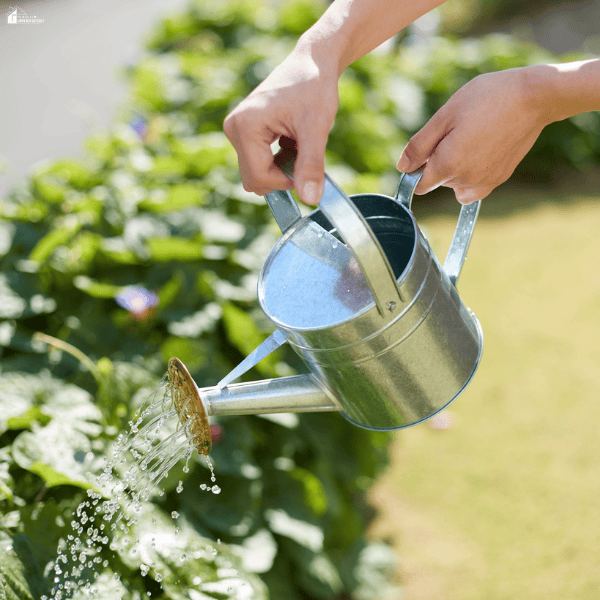
Watering. Too little water can leave grass yellow and patchy; too much can contribute to root rot and fungal growth. A smart irrigation controller connected to local weather forecasts can adjust schedules for expected rain and temperature changes. Examples named include Rachio, Orbit B-hyve and Rain Bird. This can replace repeatedly moving a hose sprinkler, while still letting you check that the schedule suits your plants and conditions.
Mowing. When grass grows quickly, missing a week or two can leave a lawn untidy. Tall blades can shelter pests and shade shorter growth, while pushing a mower in summer heat can be tiring. Robotic mowers from brands such as Husqvarna, Segway and Mammotion can cut on a regular schedule. Their frequent trims leave small clippings on the soil, where they act as mulch. They reduce hands-on mowing, though you still need to set up the mower and keep an eye on its operation.
Pool cleaning. Leaves, pollen and dust can collect in the water, clog filtration pipes, disrupt water chemistry and encourage algae. A robotic pool cleaner works separately from the main filtration system. Cordless models use motors, sensors and rechargeable batteries to clean the floor, walls and waterline. After a cycle, lift the unit out with its retrieval hook, empty its basket and recharge it. It can reduce manual vacuuming, but routine care still includes skimming and tending to the cleaner.
Reduce repeat work across the garden
Lawn feeding. Grass needs nitrogen, phosphorus and potassium. Uneven spreading can leave stripes of overfed and underfed turf, and too much fertilizer can burn grass. One option is an in-line fertigation system, which adds small amounts of liquid fertilizer during irrigation cycles. Another is a subscription plan: Sunday, for example, uses soil and climate information to send pre-measured nutrient pouches. You connect a pouch to a garden hose and spray it over the lawn.
Soil and plant checks. Guessing when beds need water, light or nutrients can stress plants. Wireless, solar-powered sensors such as LinkTap or Tuya Smart Soil Meters can monitor moisture, temperature, ambient light and nutrient concentration, then send readings to a phone. Alerts can prompt a closer look when conditions change. Sensors provide information, but gardeners still need to decide what action makes sense for the plants.
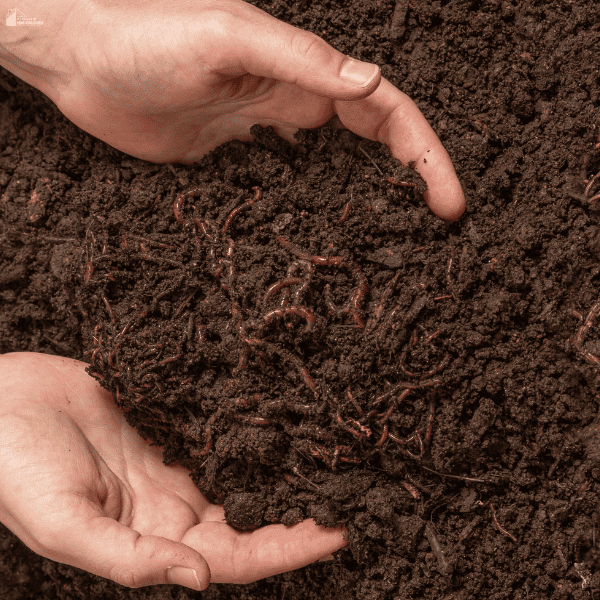
Composting. Yard trimmings and kitchen scraps can become garden topsoil, but a conventional pile needs turning to stay aerated. Without enough air, decomposition can slow and odors may build. Insulated, gear-driven compost tumblers mix material when you turn the handle; twin chambers and internal fins support that process. Outdoor automatic composters, including the Subpod, offer another setup. Vermicomposting systems use worms to break down waste underground, with less need for manual turning.
Make outdoor surfaces and systems easier to manage
Gutters. Leaves, twigs and pine needles can block gutters, sending rainwater over the edge. That water may collect around the foundation, erode garden beds or damage fascia boards. Stainless steel micro-mesh guards let water pass toward downspouts while catching debris. They can reduce buildup, but they don't remove the need to inspect the gutters and clear material that gathers on top.
Lighting. Dark paths are harder to see at night, while leaving lights on continuously uses energy and can shorten bulb life. Smart transformers, plugs or LED bulbs from brands including Philips Hue, Lutron and Ring can run on an astronomical dusk-to-dawn schedule. Where supported, the setting follows local sunrise and sunset times, so the schedule adjusts through the year.
Pest management. Mosquitoes, fleas and ticks can make outdoor spaces less comfortable. Automated misting lines use tubing, nozzles and a central reservoir to spray around fence lines or perimeter beds. The suggested schedule is a 30-second mist at dawn and dusk, when pests are active and bees are sleeping. Before using a misting system, check that its products and timing are suitable for the plants and wildlife in your yard.

Patios and paths. Leaves, grass clippings and dirt collect on decks, patios and walkways. Outdoor robotic sweepers and leaf vacuums use rubber brushes, suction and outdoor wheels to clean hard surfaces on a schedule. They can collect dry leaves, sand and dirt before it gets tracked indoors. Compared with a broom, they shift the work to a machine; compared with gas-powered blowers, they avoid the noise and dust clouds described for that approach.
Choose upgrades by time saved
| Task | Automated option | Effort saved |
|---|---|---|
| Lawn watering | Smart Wi-Fi irrigation controller | High |
| Pool care | Cordless robotic cleaner | High |
| Mowing | Autonomous robotic mower | High |
| Lawn feeding | In-line fertigation system | Medium |
| Gutters | Stainless steel micro-mesh guards | Medium |
| Outdoor lighting | Smart dusk-to-dawn controls | Low |
| Pest control | Automated perimeter misting | Medium |
| Patio cleaning | Outdoor hard-surface robot | Low |
| Composting | Insulated dual-chamber tumbler | Medium |
| Soil care | Wireless solar sensors | Low |
Start with one or two jobs that consume the largest share of your weekend, such as mowing, watering or pool care. That lets you see whether a tool fits your yard before you add more equipment. The best setup is the one that reduces repetitive work while keeping essential checks in your routine.