What Shapes Exterior Painting Costs in Jacksonville Homes
Home size is only one part of an exterior painting quote. Compare preparation, repairs, paint, access and weather details to understand the full price.

Two exterior painting quotes can cover the same home and still reflect very different amounts of work. In Jacksonville, the price depends on the surfaces being painted, their condition, access for the crew, paint selection and the weather windows available for application. A useful estimate makes those factors visible so homeowners can compare the work behind each total.
Humidity, strong sun and coastal salt exposure shape the job, too. They can affect when crews apply paint and how carefully they need to clean and prepare surfaces. Before choosing a contractor, homeowners should look for a written scope that explains what the price includes, what could cost extra and how changes will be handled.
Start with the work listed in the estimate
A painting estimate should identify the areas included: siding or stucco, trim, doors, shutters and any detached structures. It should also describe the home’s stories, wall height, surface materials and approximate area. These details help explain how much paint may be needed and how long the crew expects to spend on the project.
Visible wall area alone may not capture the full job. Dormers, rooflines, porches and detailed trim can take extra setup and careful brushwork. If a section is difficult to reach, the crew may need additional equipment or time. Ask the estimator to account for those areas in the written scope, so they don’t become surprises once work is underway.
Preparation should be clearly described, whether it appears as a separate line item or as part of the overall price. Washing removes dirt, mildew and loose residue. Scraping and sanding address paint that no longer adheres well, while caulk can close selected gaps around windows and trim. Bare or repaired spots may need primer before finish paint goes on. If these steps are missing from a quote, ask whether they are excluded or simply grouped into another charge.
Surface repairs can change the project
The condition of existing paint and the material underneath it can add substantial labor. Peeling paint needs to be removed before a new coating can bond properly. Soft wood, cracked stucco, damaged siding and failed caulk may require repairs beyond routine painting. The estimate should say whether those repairs are included, limited to a stated allowance or priced separately.
Paint can protect a prepared surface, but it won’t fix the cause of rot or water damage. Extensive damage needs its own assessment before the painting plan is settled. Photos can help an estimator spot possible trouble, but an in-person inspection gives a clearer view of surfaces that are hidden, deteriorated or difficult to reach. Ask how the contractor will price newly discovered damage and get approval for added work before it begins.
Paint choice affects coverage and labor
Exterior paints vary in finish, coverage, mildew resistance and suitability for surfaces such as masonry or wood. The product and color can affect how much material the job needs and whether another coat is required. For example, covering a light existing color with a darker one may call for extra coats when the chosen product has lower hiding power.
A proposal should identify the product category, finish, sheen, number of colors and planned coats. That gives homeowners a basis for comparing material choices across estimates. It also clarifies what happens if the color changes after approval: a different selection may mean more paint or added labor, so confirm how the contractor will calculate any change before work starts.
Access and weather shape the crew’s time
Two-story walls, steep rooflines, enclosed porches and narrow side yards can make setup slower or call for specialized equipment. Landscaping, furniture, gates and utility lines may limit where workers can move. Clear access around the home can reduce time spent relocating items and preparing each work area. Before the start date, ask what the homeowner needs to move and what the crew will protect.
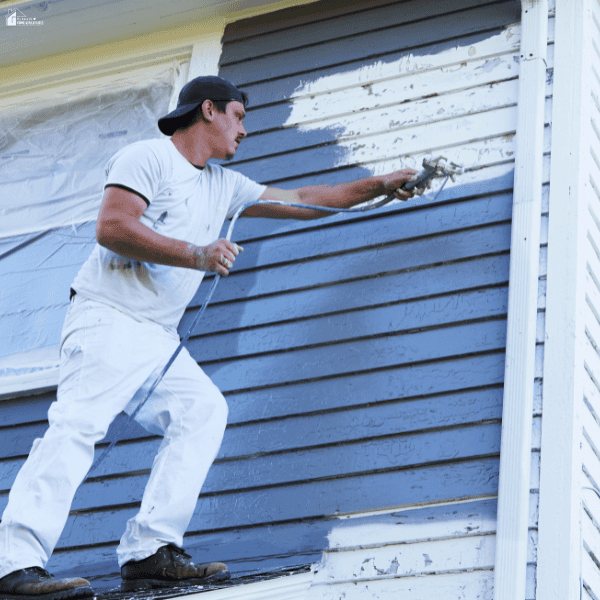
Jacksonville’s weather affects timing as well as labor planning. High humidity can slow drying, and rain may interrupt preparation or postpone a finish coat. Direct sun can heat a wall and change how quickly paint sets. Near the coast, salt exposure makes thorough cleaning and sound surface preparation especially relevant. Ask the contractor which weather conditions affect application and how delays may change the work schedule.
Compare complete scopes, not just totals
Labor can make up a large share of the bill because preparation and access take time. Materials can include paint, primer, caulk, masking supplies and protective coverings. Larger homes generally require more coverage, while detailed trim adds careful brushwork. A quote that breaks out labor, materials, repairs and applicable taxes makes it easier to see where the money is going and track any changes.
When reviewing estimates, check that they cover the same surfaces, preparation steps, paint system, number of coats, repair work and cleanup. Compare warranty terms, exclusions, the start date and payment schedule as well. A lower total may reflect a narrower scope, so ask what is left out before treating two prices as comparable.
Set expectations in writing
Before approving a proposal, ask who handles repairs, whether primer is included and how the crew will protect windows, plants, paved areas and outdoor fixtures. Clarify daily cleanup and ask how the price could change if workers find hidden damage, rain delays the job, the color changes or another coat is needed. Written answers give both sides a shared record of the agreed work.
The most useful estimate connects the home’s condition to the tasks, materials and timing required. With surfaces, preparation, repairs, coats, exclusions and payment terms spelled out, homeowners can make a more grounded budget and compare contractors on the work they’re actually offering.