Sheepskin Rugs Compared With Jute, Sisal, Cotton and Wool
Sheepskin stands out for its dense fleece, warmth and irregular shape, while firmer woven rugs may suit busy walkways better.
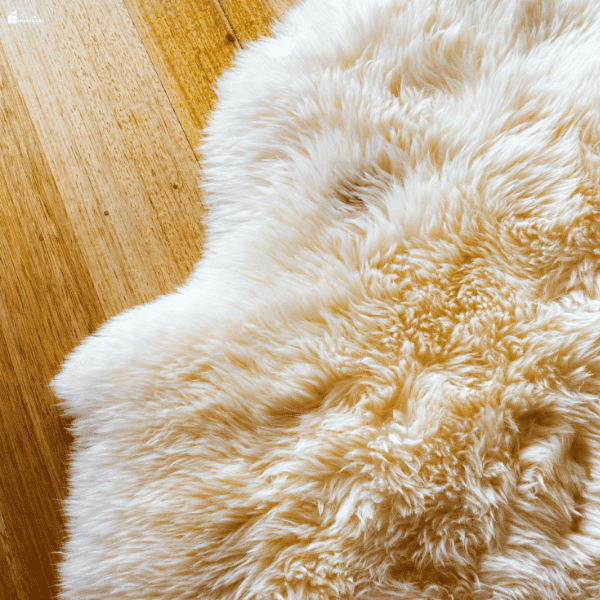
Sheepskin rugs feel and behave differently because their wool stays attached to the hide. That construction creates a thick, springy fleece surface, unlike the flatter or more tightly woven surfaces of cotton, jute and sisal rugs. It also shapes where a sheepskin works best: beside a bed or in a spot where softness matters more than handling constant foot traffic.
Each natural material brings a different balance of texture, warmth, appearance and wear. Jute and sisal have a firmer feel underfoot. Cotton tends to be lighter and flatter. Conventional wool rugs offer softness and resilience in a woven form. Sheepskin’s distinctive feature is the fleece itself, with the hide forming its backing.
Fleece changes the feel underfoot
Jute and sisal are known for firm, noticeable textures. Their fibers form a surface that feels more structured than plush. That can be appealing when you want a rug with a defined texture, but it’s a different experience from stepping onto sheepskin.
With sheepskin, the wool rises above the backing and compresses under pressure. Its depth gives the surface a cushioned feel, whether someone steps on it or sits on it. Gentle brushing can lift the fibers and restore some of their loft after they have been pressed down.
Softness varies with the wool. Fine fibers generally feel smoother against skin than coarse fibers. Fiber diameter is measured in microns; research cited in sheepskin coverage found that wool with a mean fiber diameter of 17.5 microns or finer did not increase skin irritation in the study group. That finding is specific to the study group and does not establish how every person will respond to every rug.
Warmth comes from the wool structure
Wool fibers create small spaces that hold air, which helps insulate the surface. In a dense sheepskin fleece, that structure can feel comfortable against a cold floor. A bedside spot is one practical place for that quality: the rug offers a warm, soft surface where a flatter covering may feel less cushioned.
Cotton can also feel soft, but its flatter construction doesn’t provide the same dense fleece. Jute and sisal have their own appeal in rooms where a firm, textured surface is preferred. The choice is about the feel and function you want from a rug, not a single material being right for every room.
Match the rug to the amount of use
Sheepskin’s softness doesn’t automatically make it fragile. Wool fibers can bend repeatedly without breaking, helping the fleece retain its shape. Still, placement affects how the rug looks with use. A busy entrance or commercial hallway is a difficult match for a plush sheepskin, since frequent foot traffic can press the wool down.
Shorter-wool sheepskins may make more sense in spots that see regular use because compression tends to be less noticeable than on longer fleece. Brushing can also help the pile regain some fullness. These steps can improve the rug’s appearance, but they don’t remove the trade-off between a soft surface and sustained heavy traffic.
For a walkway where durability under frequent steps is the main concern, the firmer construction of jute or sisal may be a better fit. Conventional wool offers another balance: warmth and resilience in a familiar rug construction. Considering how a room is used can help narrow the choices before appearance becomes the deciding factor.
Cleaning takes care around the hide
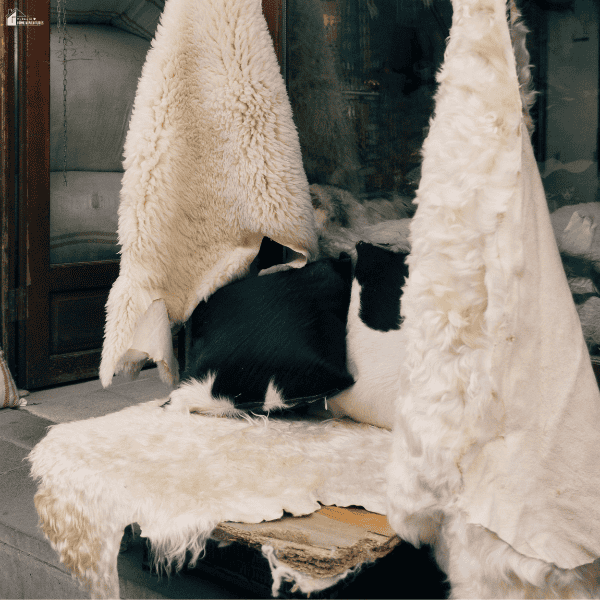
Sheepskin needs a gentle cleaning routine. Shaking it outdoors can dislodge loose dust, and a soft brush can help keep the wool looking full. If a spill happens, blot the area instead of rubbing it; rubbing can disturb the fleece.
For spot cleaning, the described approach is cool water with mild detergent. A deeper clean may call for hand washing in cool water with wool-safe soap. The hide backing needs attention too: keep it dry and store the rug properly. Because cleaning directions can vary by rug, check the care instructions for the particular piece before washing it.
Natural variation is part of the look
Woven jute and sisal rugs tend to look more structured, with fibers forming a relatively consistent surface. Cotton rugs can bring in more obvious colors and patterns. Sheepskin is less uniform: its fleece varies in texture, and its edges can be irregular. That variation gives it a distinct appearance compared with a flat woven rug.
Its shape and texture can suit modern and Scandinavian interiors as well as traditional or eclectic rooms. Sheepskin also works well on hard floors and can be moved to another spot when a room needs a change. Those qualities make it a flexible accent, though its plush surface and care needs still matter when deciding where to place it.
Choose by feel, traffic and care
Jute and sisal suit people who prefer a firm surface and need a rug for regular foot traffic. Cotton is a lighter, flatter option. Conventional wool combines warmth and resilience in a more familiar rug form. Sheepskin is a more specialized choice: it brings dense softness, insulation and an organic outline, with the hide as part of the construction.
That combination is what sets sheepskin apart. It preserves more of the material’s natural structure than a woven covering, creating a fleece surface that other common natural fibers don’t replicate. Think first about where the rug will sit and how often it will be walked on; then weigh the feel and appearance you want against the care it needs.